Home - Why Us
Nearby Attractions
The Birds of Prey Centre, located just outside of Ballyvaughan, Co. Clare is part of the Aillwee Burren Experience. Above ground, see eagles, falcons, vultures and more fearsomely feathered creatures on show, while below ground explore a subterranean world 330 million years in the making in the Aillwee Cave.
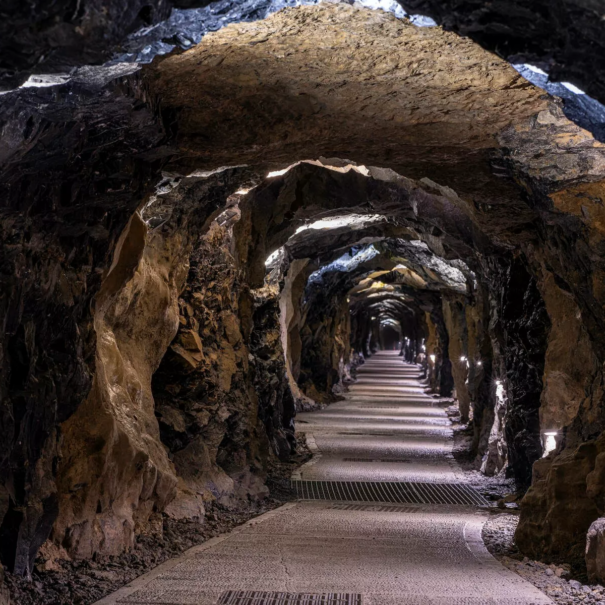
The Aillwee Burren Experience
The Aillwee Burren Experience includes the Aillwee Cave and the Birds of Prey Centre offering exciting attractions above and below ground in County Clare. The Burren Birds of Prey Centre provides experiences of dynamic flying displays where you can interact and get up close and personal to the birds as they fly overhead and through the audience. A home to Eagles, Falcons, Hawks, and Owls from all over the world. Below ground is the Aillwee Cave, a wonder to all, with geology and history stretching over 350 million years. Expert tour guides will walk you through an ancient and preserved underground landscape. The tour lasts around 45 minutes, and at its deepest point, you’re 90 metres below the limestone plateau of the Burren above. Jagged stalactites and stalagmites are on show alongside some unexpected items, chief among them are the bones of a European brown bear that date back 10,400 years!
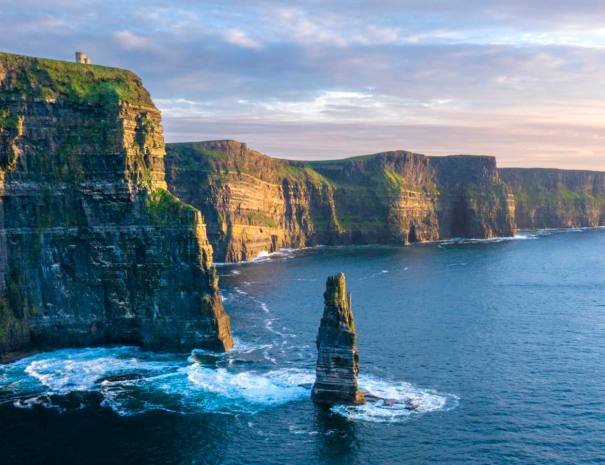
Our Beach Cottage is the perfect vacation hub
Whether you go north or south along the west coast of Ireland from our Kilkee beach cottage, there's much to see in either direction when exploring Co. Clare's segment of the Wild Atlantic Way.
Other Nearby Attractions
Welcome to our beach cottage's nearby attractions page where you will find just a few nearby attractions to explore!
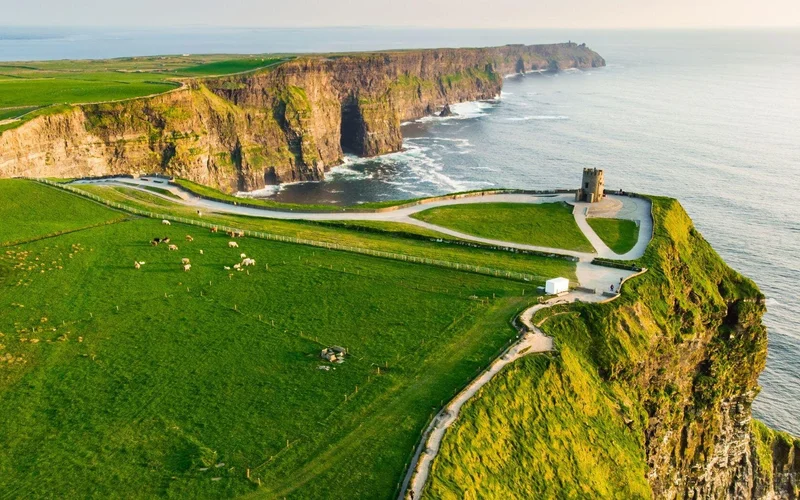
Cliffs of Moher – The Cliffs of Moher in County Clare loom above the Atlantic Ocean, reaching a height of 702 feet and stretching for 13 kilometers from Doolin to near Liscannor. They were formed over 300 million years ago. The O’Brien’s Tower built in 1835 by Sir Cornelius O’Brien, has stood proudly by the cliffs for nearly two centuries, offering panoramic views of the Aran Islands and Galway Bay. Also, you may want to take the Doolin Ferry to see the Cliffs from a different vantage point. The tour last between 45 minutes to an hour depending on sailing conditions.
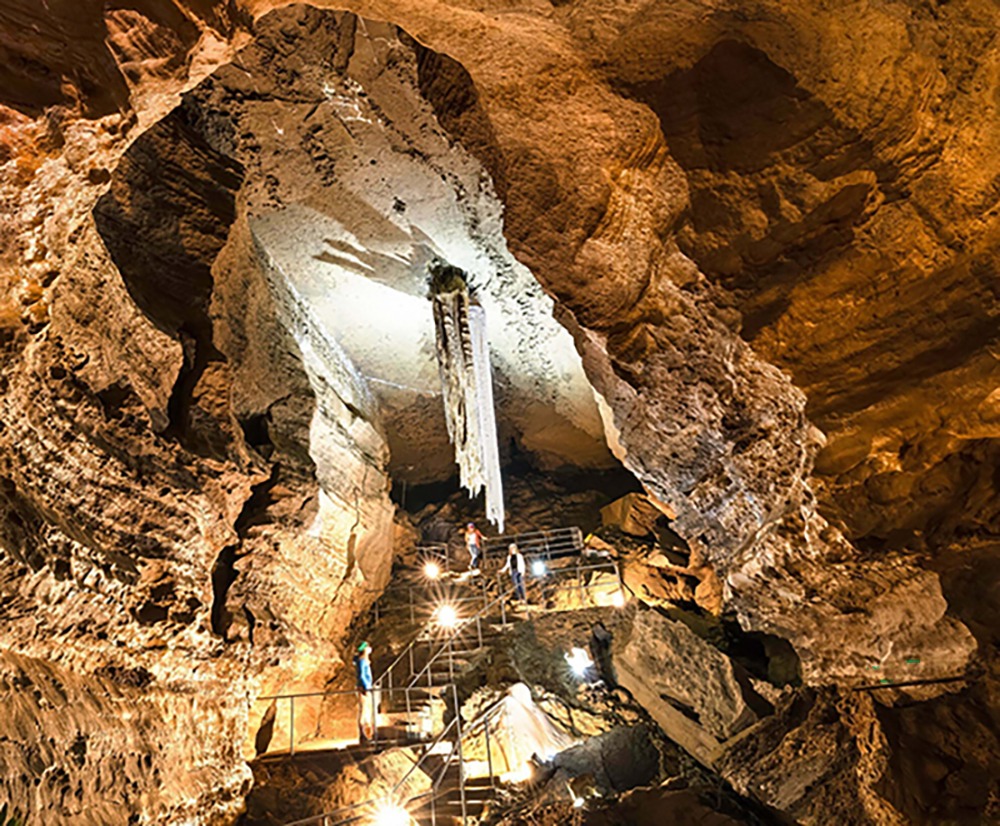
Doolin Cave – It is the only attraction of its kind in Ireland, and a force of nature that will take your breath away housing Europe’s largest stalactite. Prepare for a truly great underground experience. Deep in the heart of the earth, over 60 metres down, Doolin Cave is a fantasy-like world created from water, time and the hand of nature. Dollin Cave offers dining/refreshments with an array of fresh foods & baked goods, a gift shop and free WiFi.
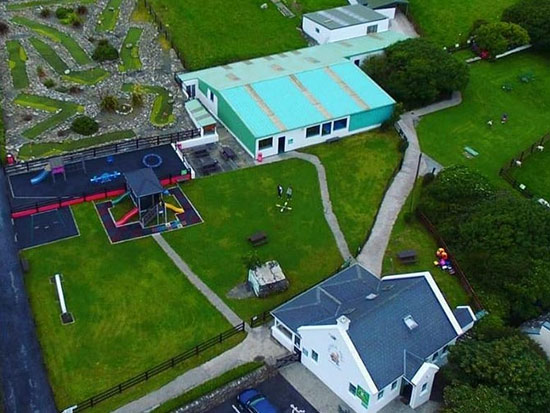
Moher Hill Farm – The Moher Hill Farm offers a large range of outdoor facilities at Moher Hill Open Farm, including fairy trail, animal paddocks, feeding the animals, antique farm machinery, mini golf course, picnic area and play areas and outdoor go-karts. For all those rainy days Moher Hill Open Farm boasts many indoor facilities including: an under 5 years old play area, bouncing castle, go karts, ball pool, picnic area and indoor sand area.
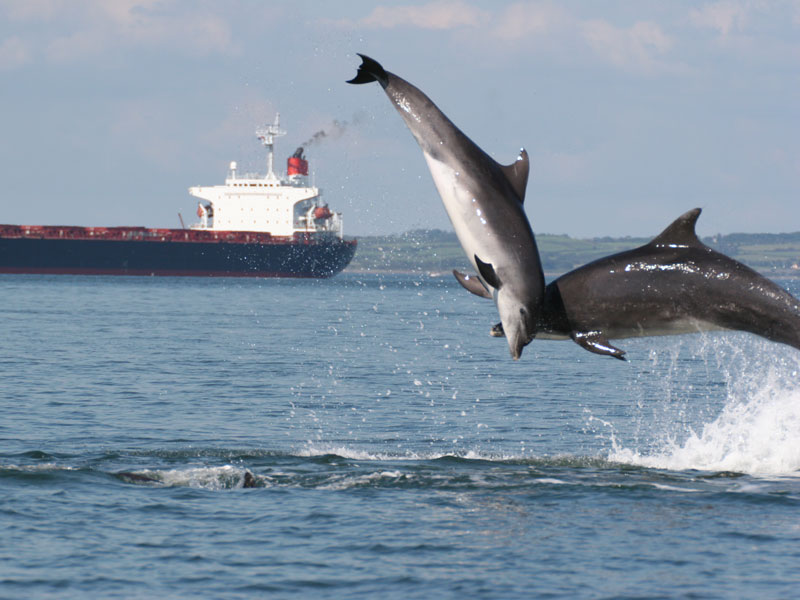
Dolphin Watching – There are two companies offering dolphin watching cruises nearby; one in Carrigaholt (Dolphinwatch) and the other in Kilrush (DolphinDiscovery). Both are located where the mouth of the River Shannon meets the Atlantic. This is a Special Conservation Area which is both a feeding and breeding ground for the dolphins with calves (baby dolphins) born each year. It is possible, during your trip, that you may be lucky enough to encounter some of the new born calves providing a delightful experience to observe.
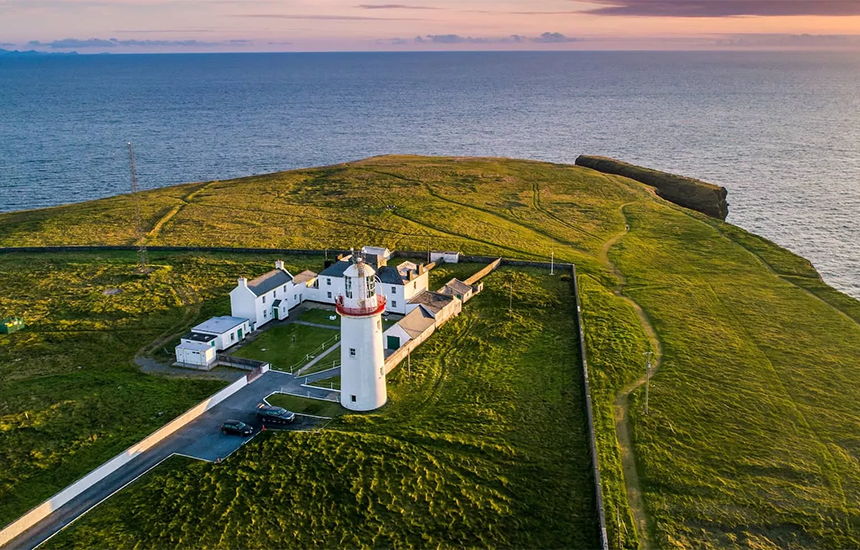
Loop Head Lighthouse – At the tip of the Loop Head peninsula sits the Lop Head Lighthouse. The cottage, a whitewashed two-story structure nestled in a walled enclosure, offers a cozy atmosphere when you stay overnight. The lighthouse itself – a stark white tower that has stood there since 1854 flashes its bright white light four times every 20 seconds, offering warning and reassurance equally to nighttime sailors. The Loop Head Lighthouse stands dramatically on the edge of the tip of the wild Loop Head Peninsula and it has been guiding ships since 1670, and is one of 70 lighthouses operated by the Commissioners of Irish Lights around the coast of Ireland and plays a vital role in maritime safety.
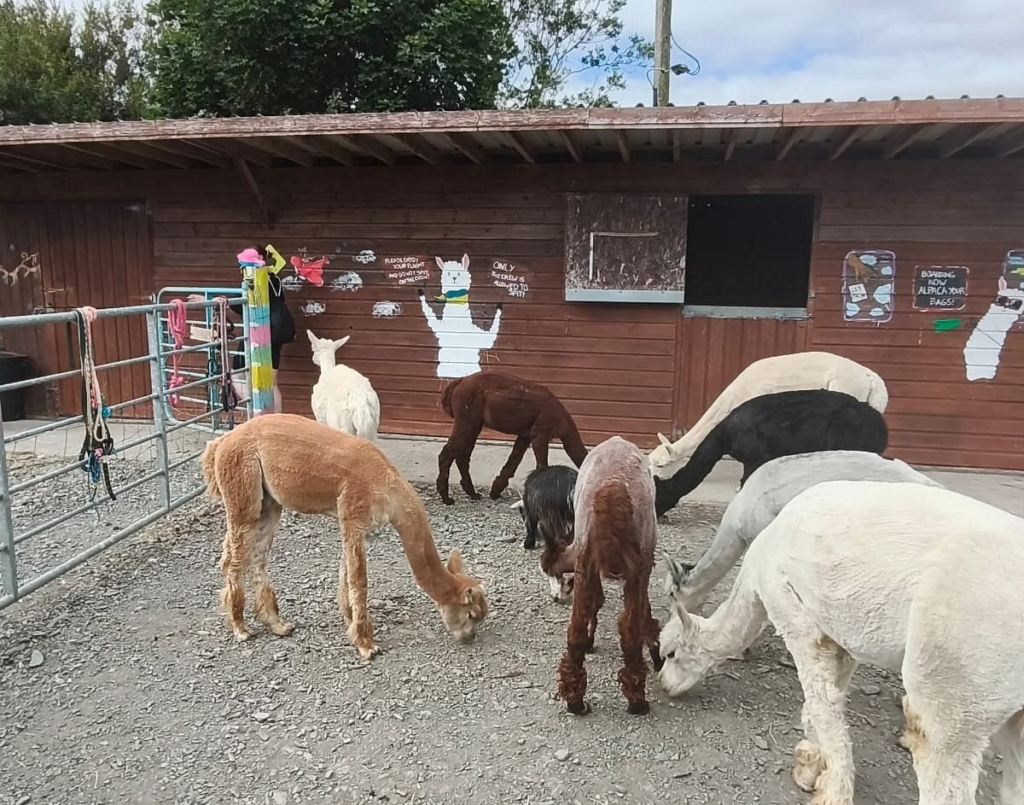
The Flying Alpaca – Look no further for an unforgettable or perfect family-friendly activity in Clare. The Flying Alpaca is more than a farm – it’s an experience where you’ll create cherished memories with your loved ones. When you visit, you’ll meet not just our gentle and friendly alpacas but also the heart and soul behind the farm – Barbara and Mike, the owners. Get ready for a personal, warm welcome that makes every visit feel special! The alpacas are the stars of the show, but the goats, chickens, and Yuki definitely pull their weight in the entertainment department. So, come on down and meet the animals, enjoy the countryside and leave with a smile and a ton of memories with your family.
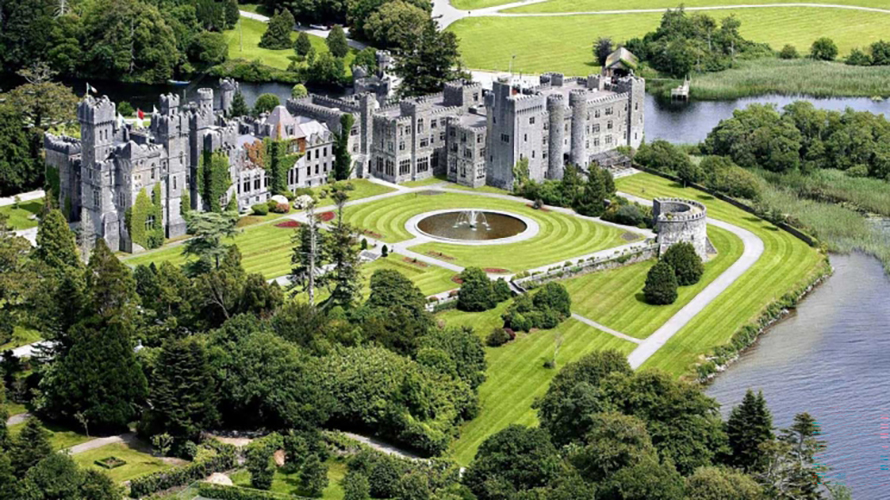
Dromoland Castle – Dromoland Castle was the ancestral home of the O’Briens, Barons of Inchiquin, who are one of the few native Gaelic families of royal blood, and direct descendants of Brian Boroimhe (Boru), High King of Ireland in the eleventh century. Today, it is operated as a five-star luxury hotel with a golf course, and having a Michelin awarded restaurant, the “Earl of Thomond”, being awarded in 1995.
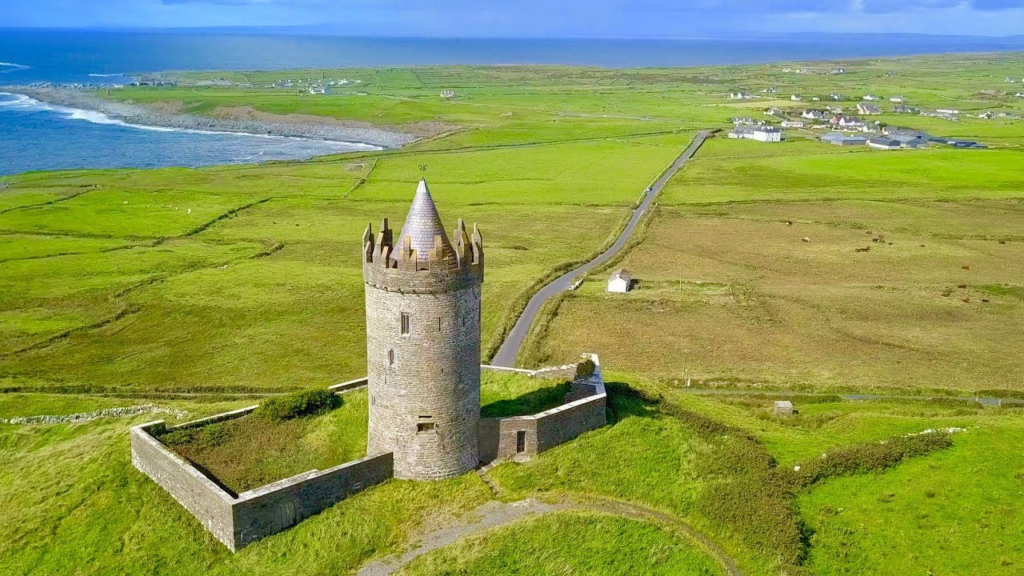
Doonagore Castle – Doonagore Castle is a round 16th-century tower house with a small walled enclosure located about 1 km south of the coastal village of Doolin. Doonagore Castle sits on a hill overlooking Doolin Point. In 1570, it was owned by Sir Donald (or Donnell) O’Brien of the O’Brien dynasty and in 1582 it was occupied by Brian MacCahill O’Connor. In 1583, much of the property in the area was surrendered to the Crown and regranted to Turlough O’Brien of Ennistymon. Doonagore soon fell to the MacClancy (or Clancy) family, the hereditary brehons or lawyers of the O’Briens.
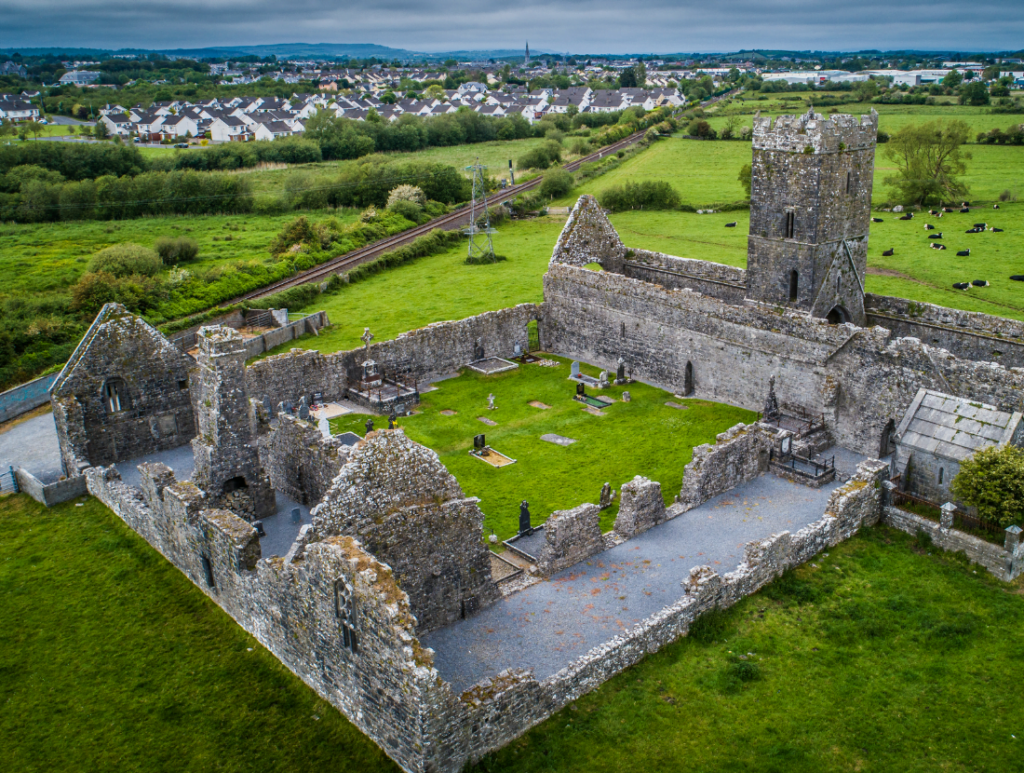
Clare Castle – History runs deep in Clarecastle with its origins dating back to the 12th century when Clare Abbey was the largest and most important of the Augustinian monasteries in County Clare. The village is named after the Clare Castle, which stands on an island in the narrowest navigable part of the River Fergus, a position of such strategic importance that it is said to have lent its name to County Clare. Despite its proximity to the Clare County Capital of Ennis, Clarecastle has retained its unique village charm and strong sense of identity. For an in-depth history of Clare Castle, click on the link.
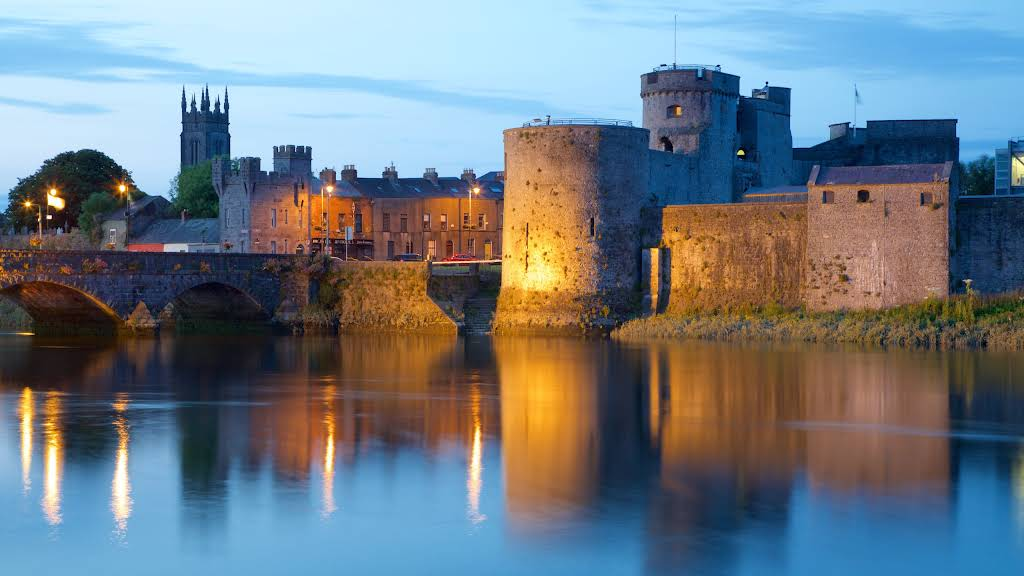
King John’s Castle – King John’s Castle, also known as Carlingford Castle was built in the late 12th century by Hugh de Lacy, Lord of Meath shortly after the Norman invasion of Ireland. It acquired the name “King John’s Castle” after King John, Lord of Ireland, supposedly stayed there for three days in 1210, during his second expedition, when he invaded Ulster to apprehend Hugh de Lacy, 1st Earl of Ulster. Local myth claims that he began to draft Magna Carta (agreed in 1215) at Carlingford.